Our Curriculum
The Wild Classroom Project combines living classrooms with our Whole Community Curriculum in order to explore the natural and cultural history of place.
Our main critique of most nature-based curricula is that they often treat the natural world as something to simply look at, like a guided tour through a zoo or botanical garden, rather than something we’re actively a part of. Our approach keeps the hierarchy clear, beginning with plants, then wildlife, and finally humans—not to separate, but to show how each layer supports the next.
The program unfolds in three parts, walking through the history of where we live, and tracing how life evolved in relationship to our surroundings, leading up to us.
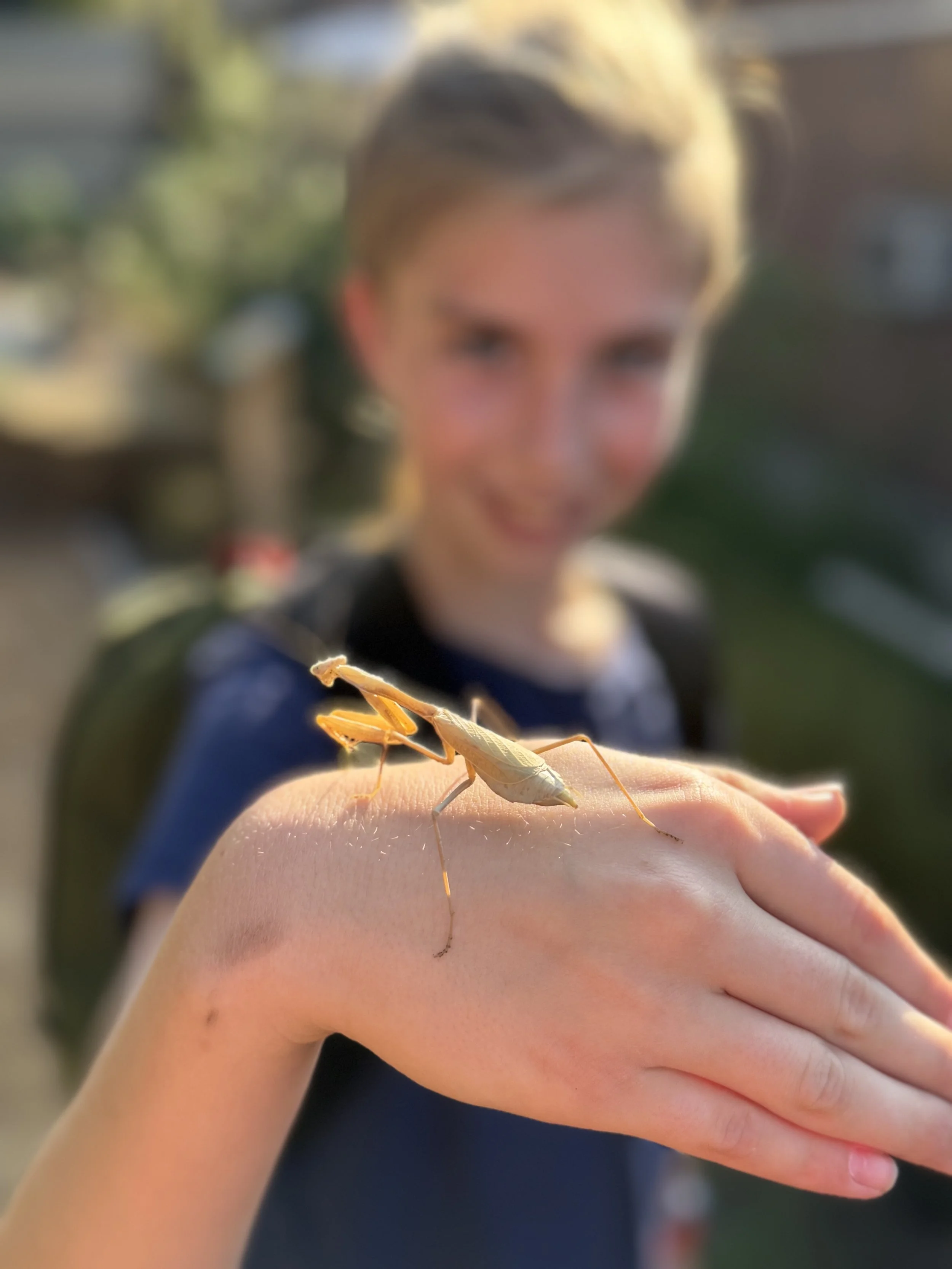
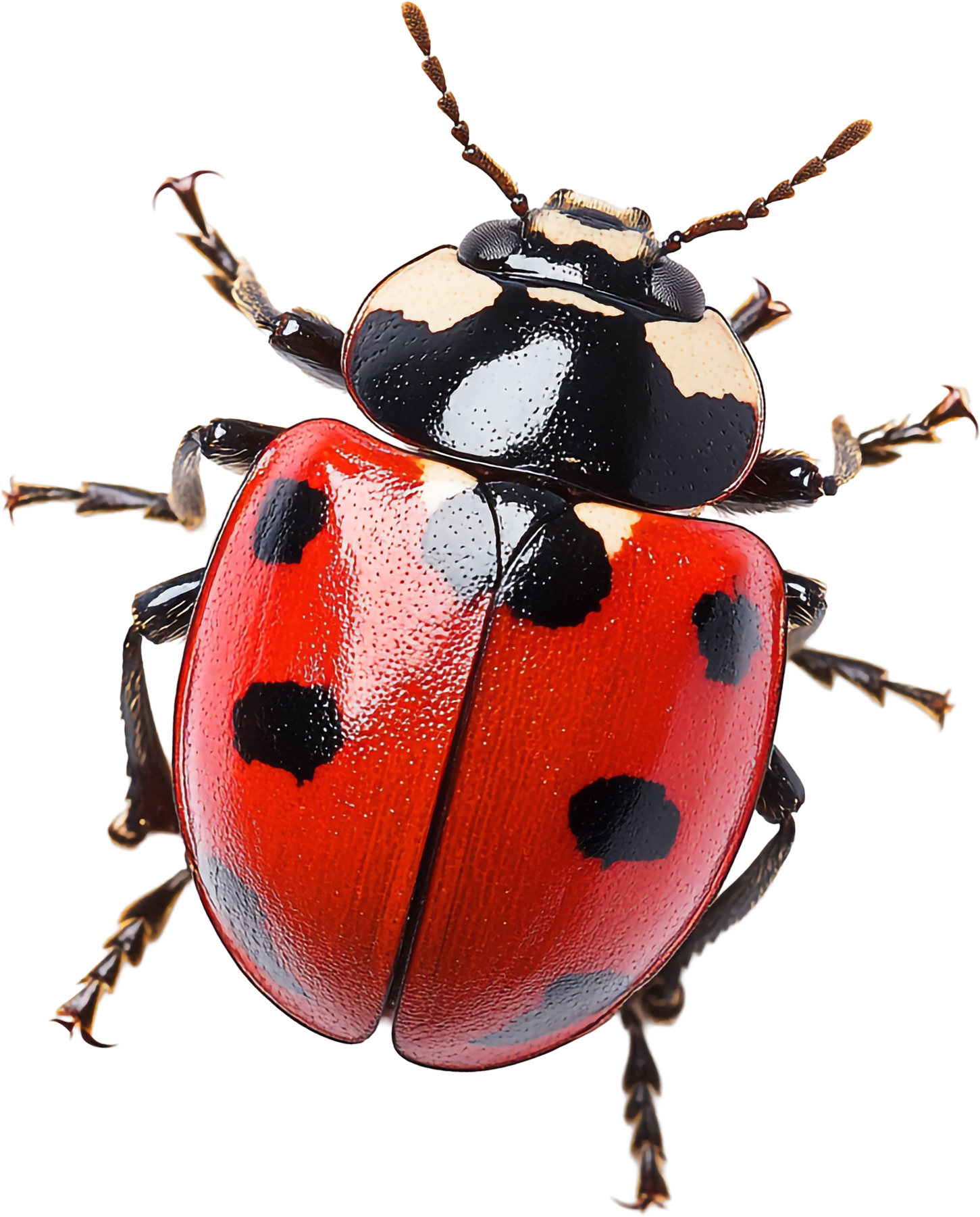
When we see how deeply we depend on the living systems that came before us, how clever and diverse Nature’s capacity for adaptation and resilience can be, compassion and respect aren’t abstract lessons—they’re a natural response.
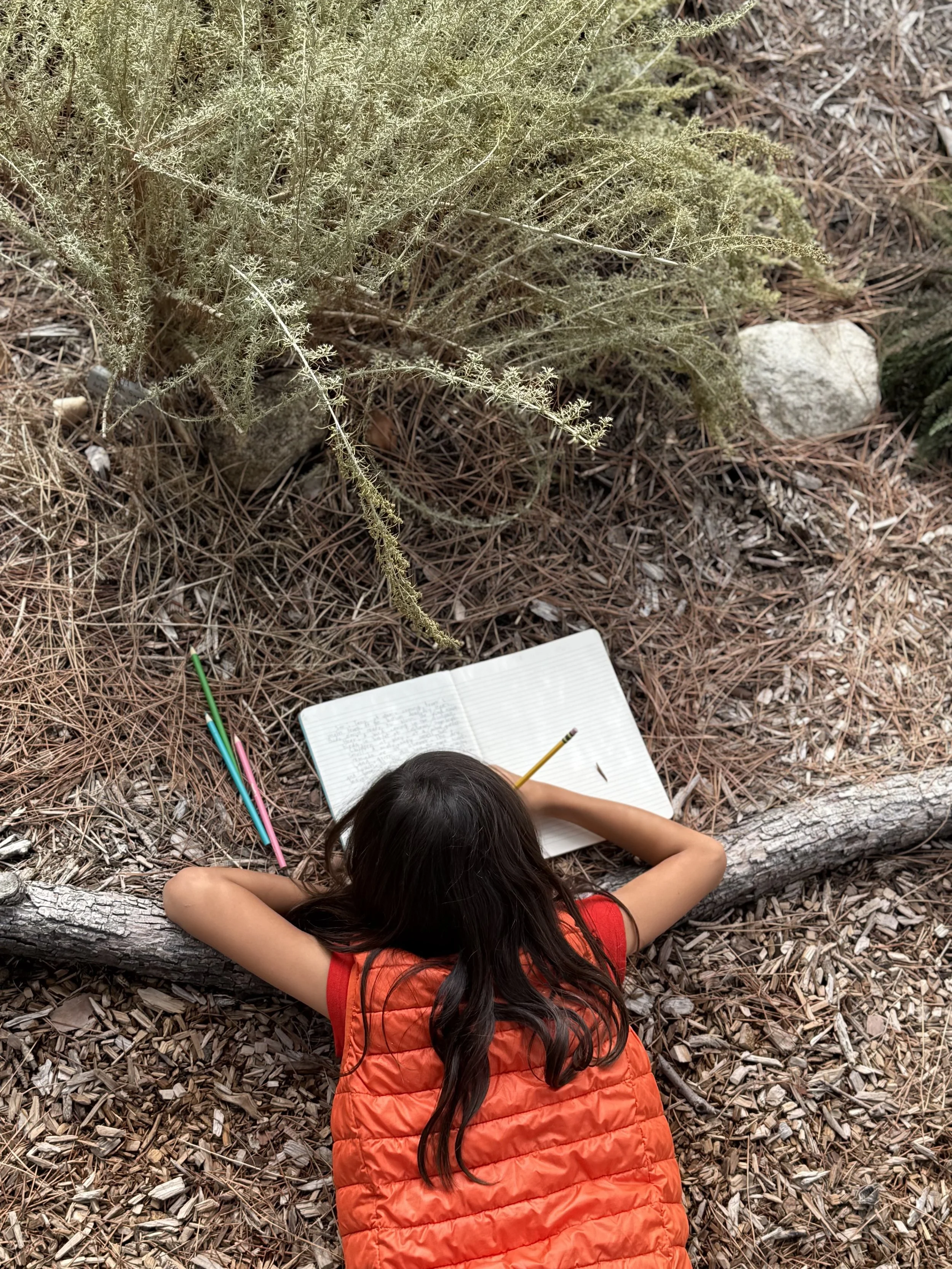
Our inquiry-based curriculum is taught by educators who are experts in the ecology of the region. By providing educators, we’re able to take the load off of a school’s teachers while assuring students receive a rich education in the natural and cultural history of their region as they cultivate agency and stewardship.
Currently, our curriculum is tailored to grades 4-6 and spans ten sessions (five each in fall and spring). We are building out our program one grade at a time and expect to have classes for grades K-12 available by the 2026-27 school year. Our curriculums meet local and national standards for science, sociology, and history.

Ready to bring the Wild Classroom Project to your school?
Living Classrooms
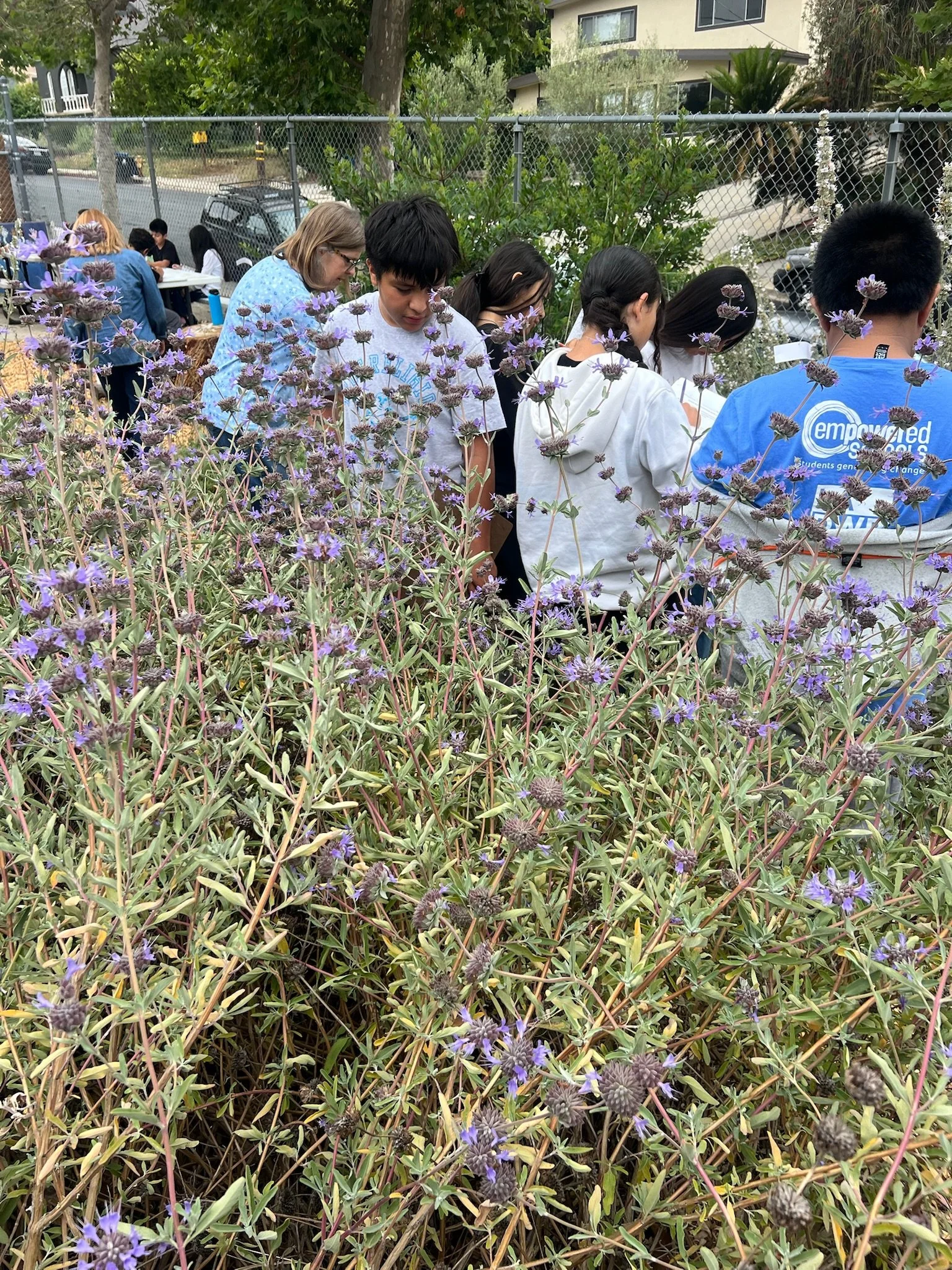
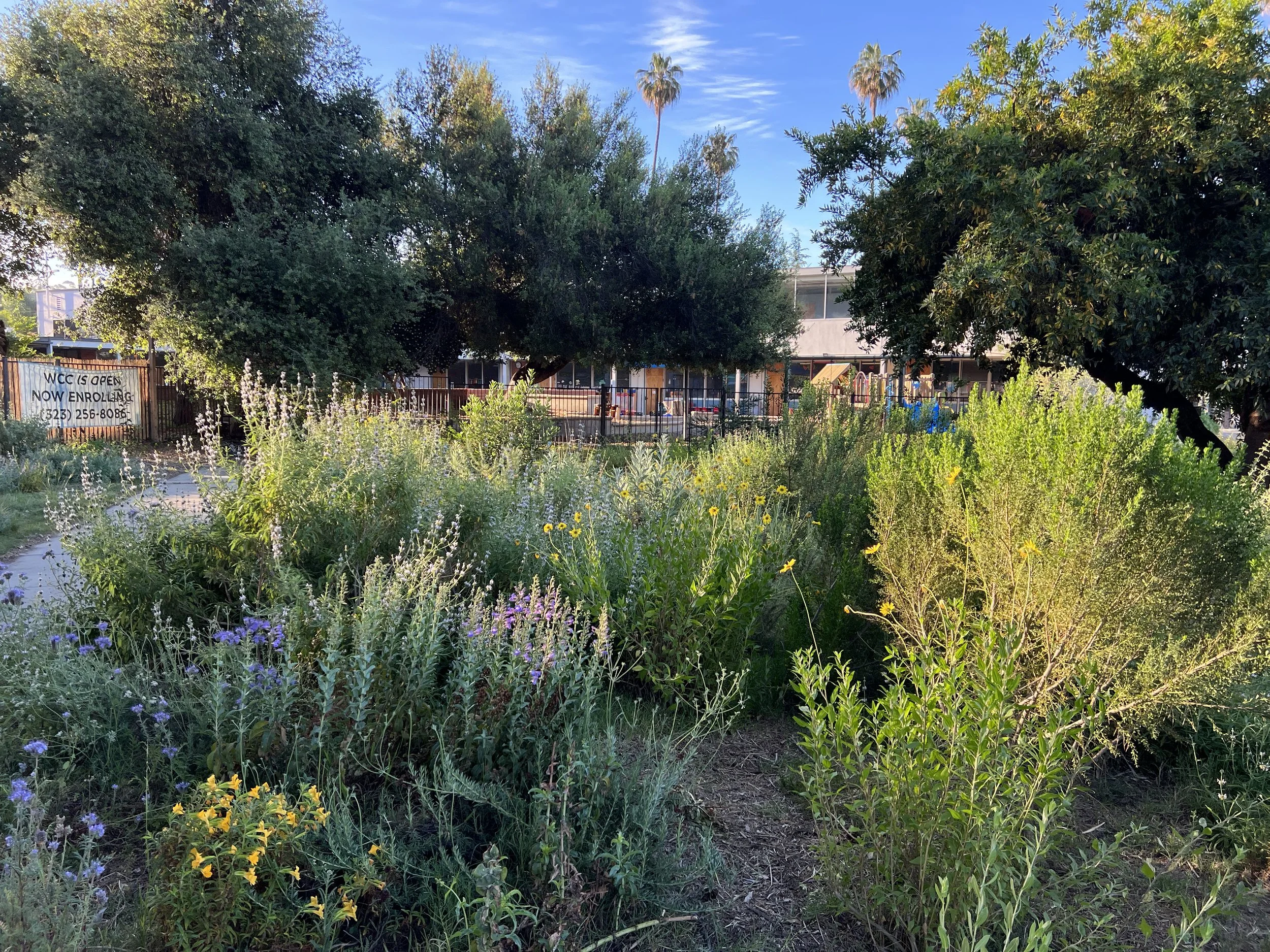
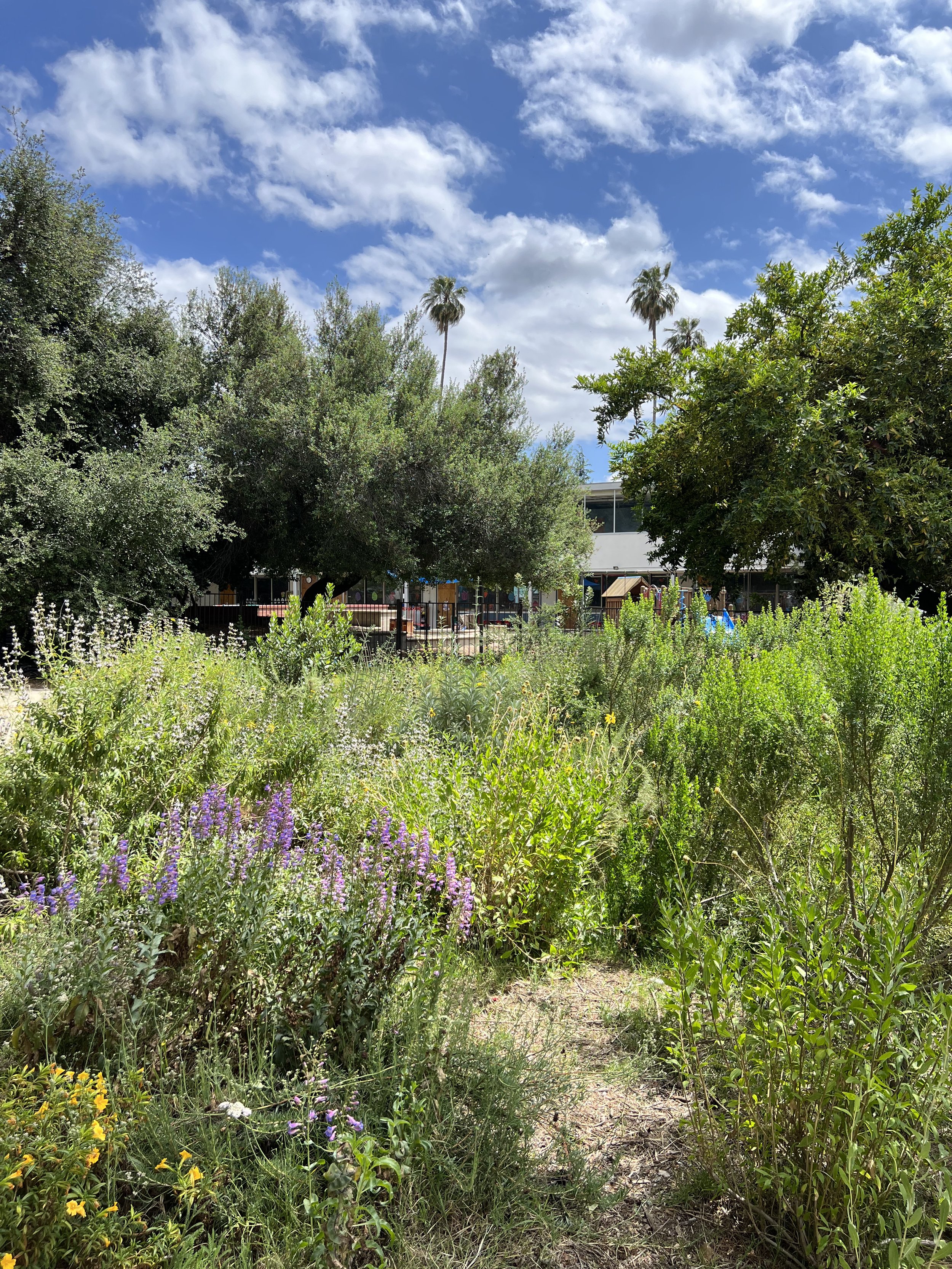
Our Living Classrooms center the native plants of each school’s region to launch the conversation around how plants- in all their diversity and resilience- establish the essential building blocks of our natural world. By anchoring our view of place via these supporting plant and wildlife communities, we are then able to explore the human interactions and migrations that allow us an integrated, holistic understanding of our Whole Community.
The Infinite Garden Project
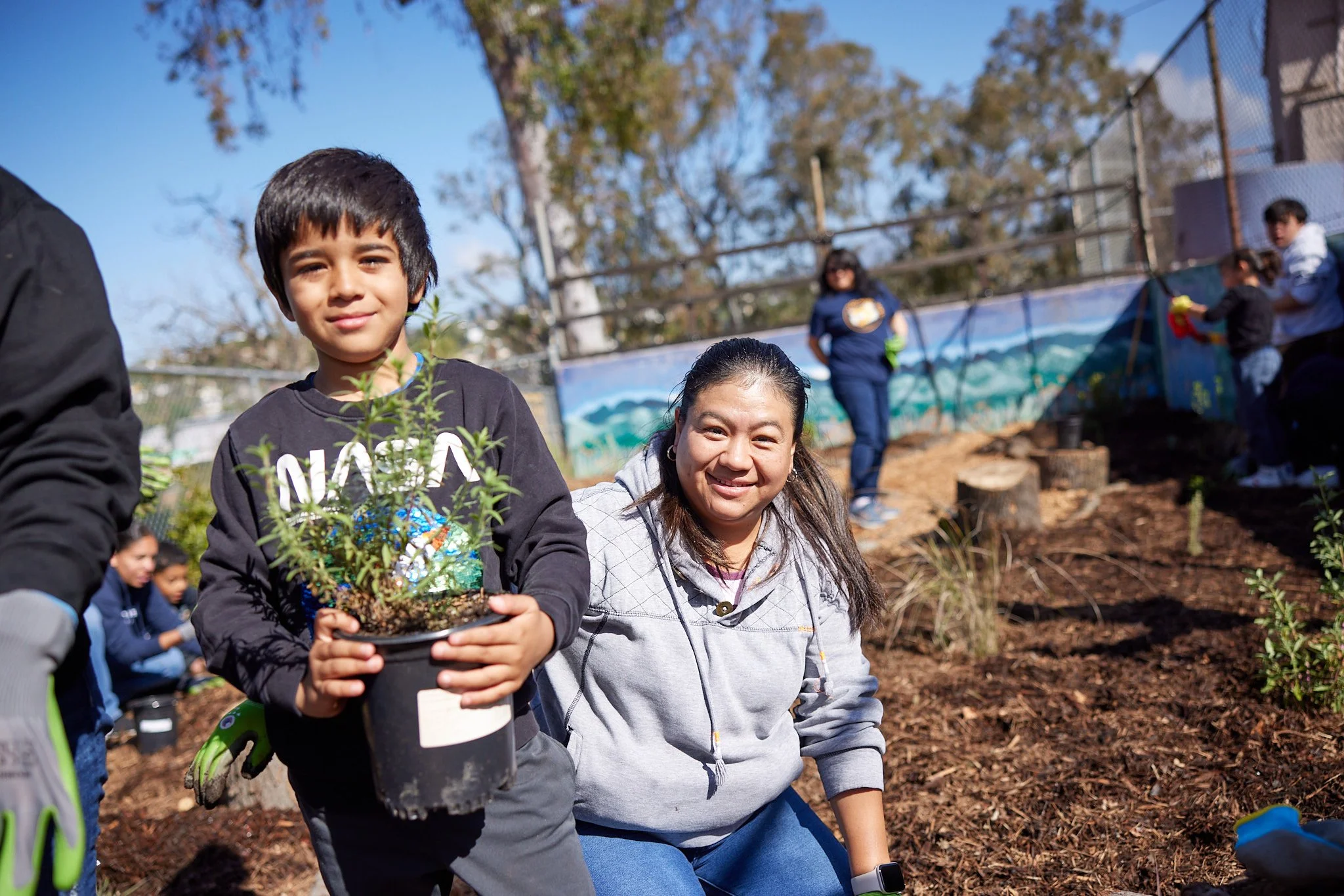
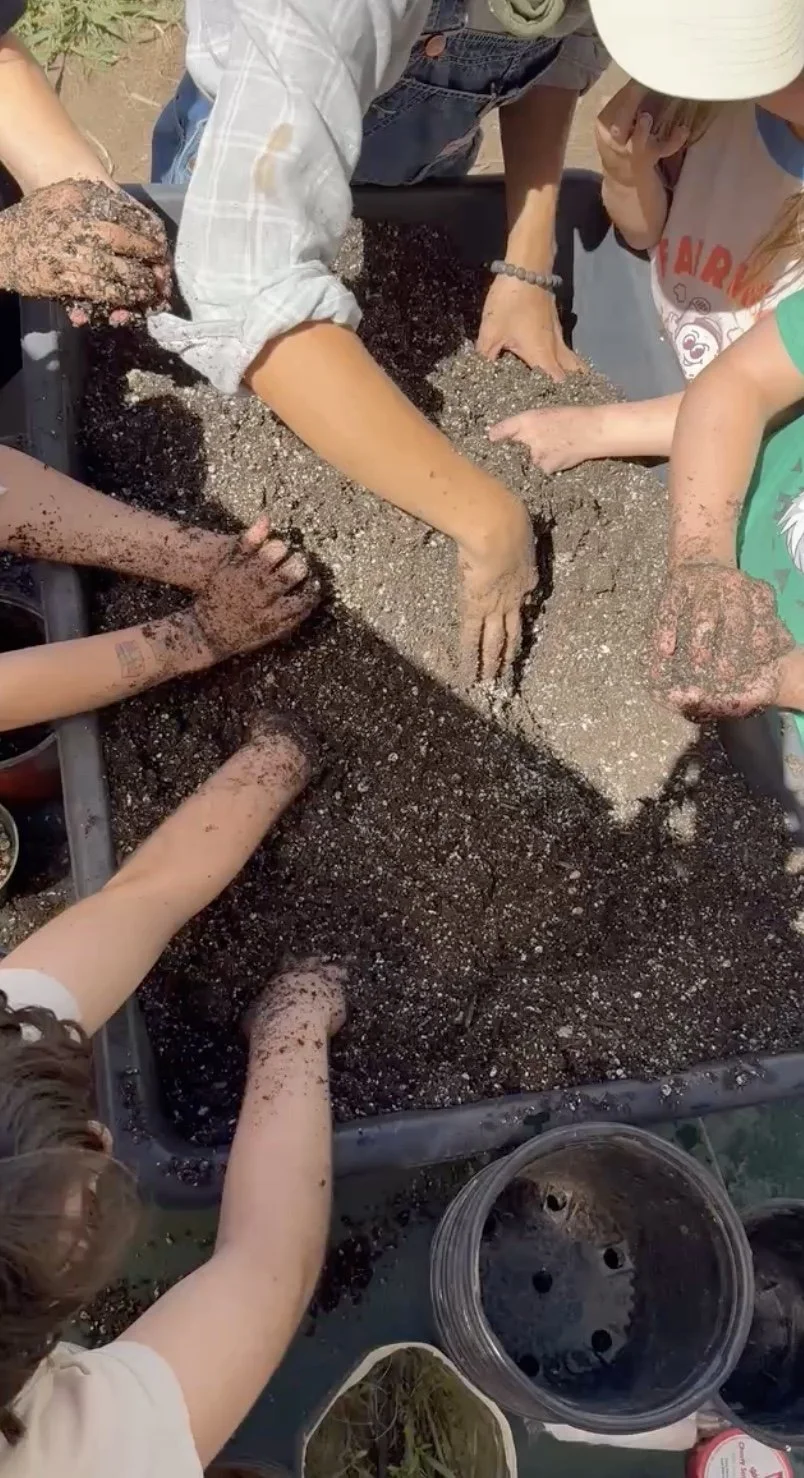
The Infinite Garden Project turns our living classrooms into nurseries where students cultivate native plants and distribute them, for free, to our school communities and beyond.
The Infinite Garden Project is the living, working manifestation of The Wild Classroom Projects’ mission: To cultivate in our children a strong sense of place, deep connections to our Whole Community of plants, wildlife, and people, all while forging practical skills and instilling agency and stewardship.
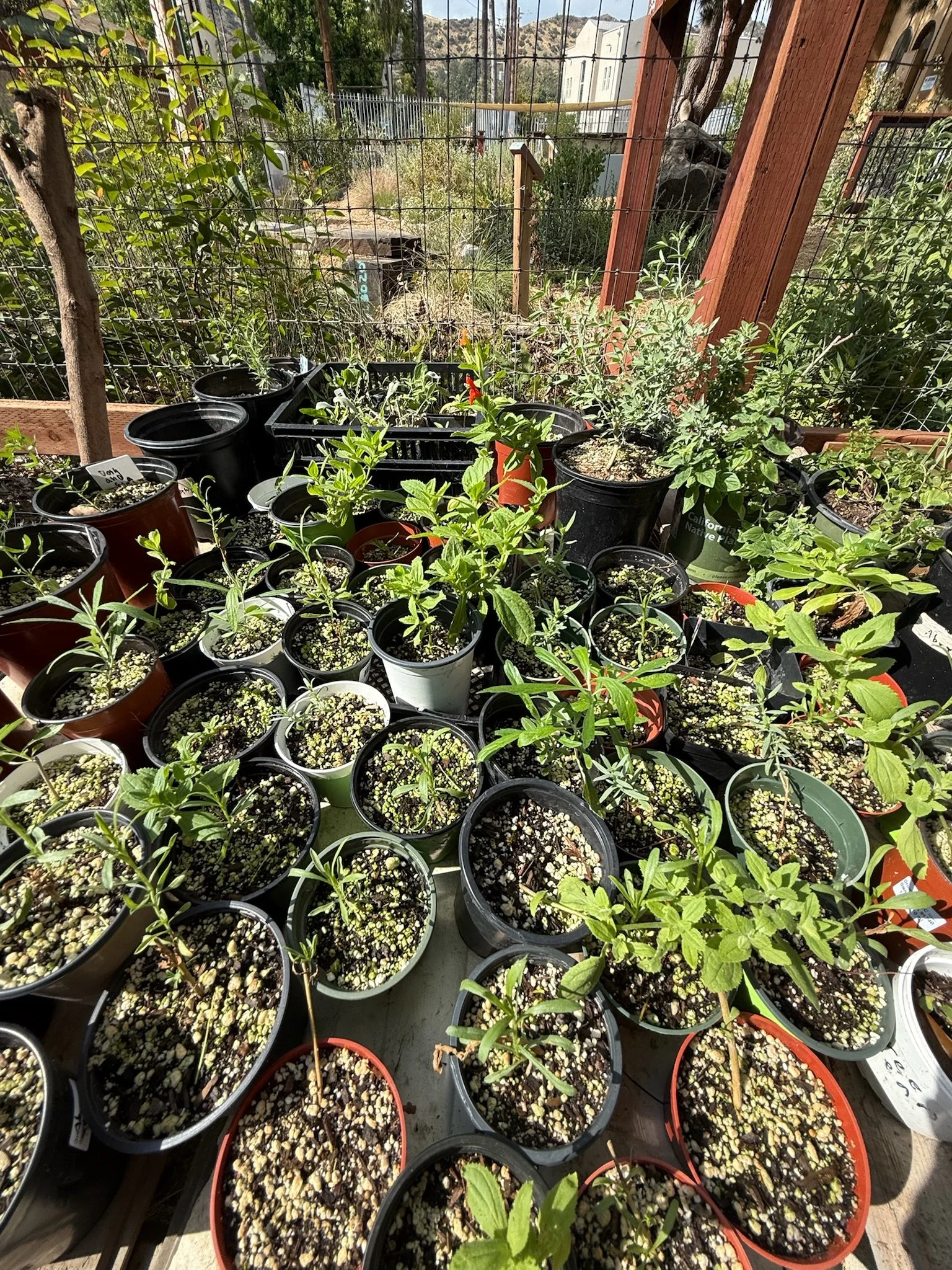
By propagating plants from seed gathered from the living classroom and nurturing them to maturity, kids gain a holistic understanding of the life and rhythms of our local botany.
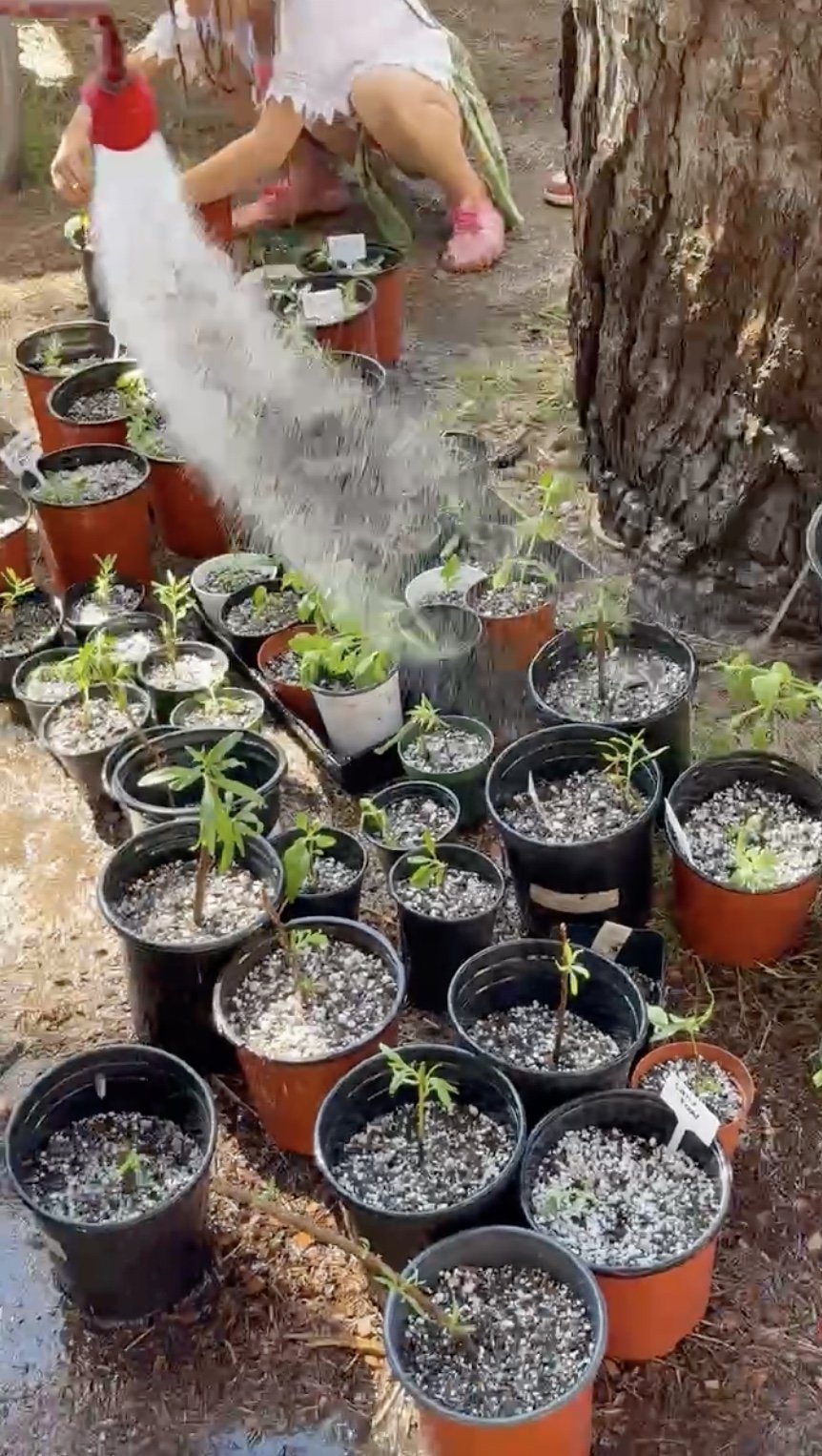
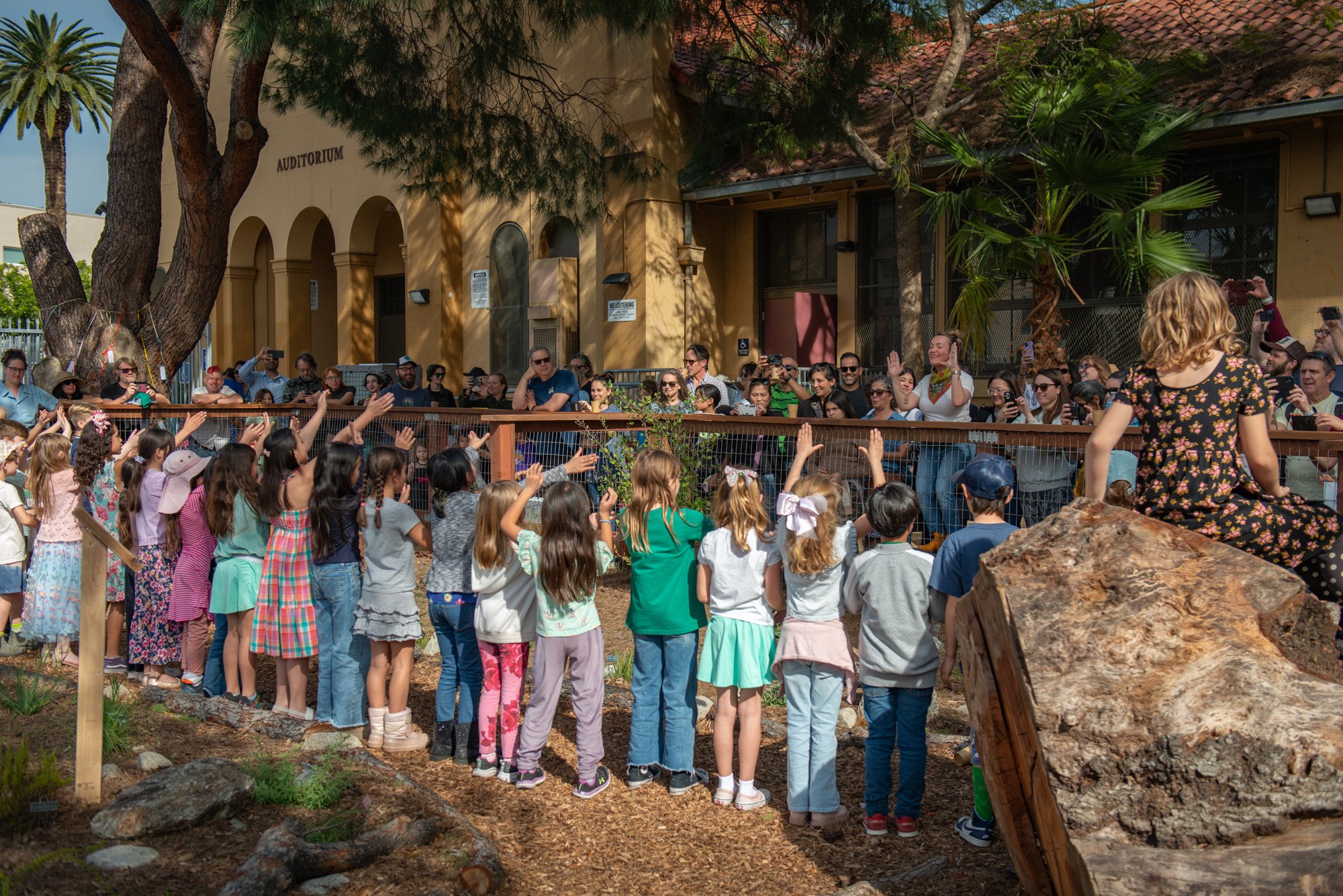
Distribution events are run by the kids, offering a direct interface with the community, the opportunity to show off their discipline and stewardship skills, and present themselves as ambassador educators for the land and ecosystems they’ve come to know so well.